
Today’s Christianity: Balancing Tradition with Modern Life
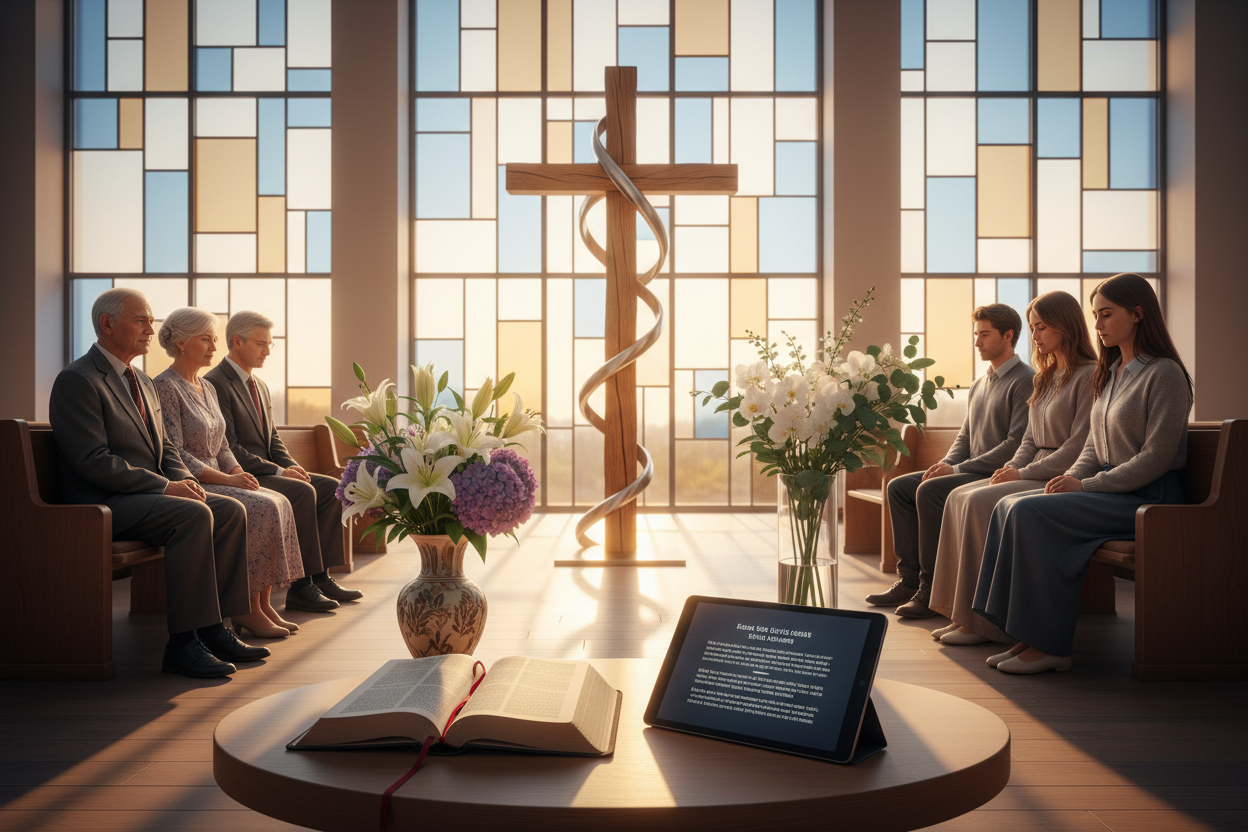
Walking into any contemporary church today, you might notice something fascinating: a centuries-old hymn being sung alongside modern worship songs, teenagers checking Bible apps on their smartphones while grandparents flip through worn leather-bound scriptures, and pastors delivering sermons that address both ancient wisdom and current social media dilemmas. This beautiful complexity captures the essence of modern Christianity – a faith tradition working to honor its rich heritage while remaining relevant in an ever-changing world.
The challenge of balancing tradition with modernity isn’t new to Christianity, but today’s digital age has accelerated the pace of change in unprecedented ways. From virtual church services that became mainstream during the pandemic to debates about contemporary worship styles, Christian communities worldwide are navigating questions that previous generations never had to consider. How do we maintain the core truths of faith while adapting to serve people whose daily lives look dramatically different from those of believers just a few decades ago?
The Foundation That Remains Unchanged
Before exploring how Christianity adapts to modern life, it’s essential to understand what remains constant. The core tenets of Christian faith – love, redemption, grace, and the teachings of Jesus Christ – serve as the unchanging foundation upon which all adaptations must be built. These fundamental beliefs have weathered countless cultural shifts throughout history, from the Roman Empire to the Renaissance, through industrial revolutions and world wars.
What makes Christianity resilient is not its resistance to change, but rather its ability to translate timeless truths into language and practices that speak to each generation. The Great Commission to “go and make disciples of all nations” remains the same, but the methods of reaching people have evolved dramatically. Early Christians used letters and word-of-mouth; today’s believers might share their faith through podcasts, social media, or online communities.
This adaptability isn’t compromise – it’s contextualization. When the Apostle Paul wrote about becoming “all things to all people” to win them to Christ, he established a biblical precedent for cultural adaptation that maintains doctrinal integrity while embracing innovative approaches to ministry and worship.

Modern Worship: Embracing New Forms of Expression
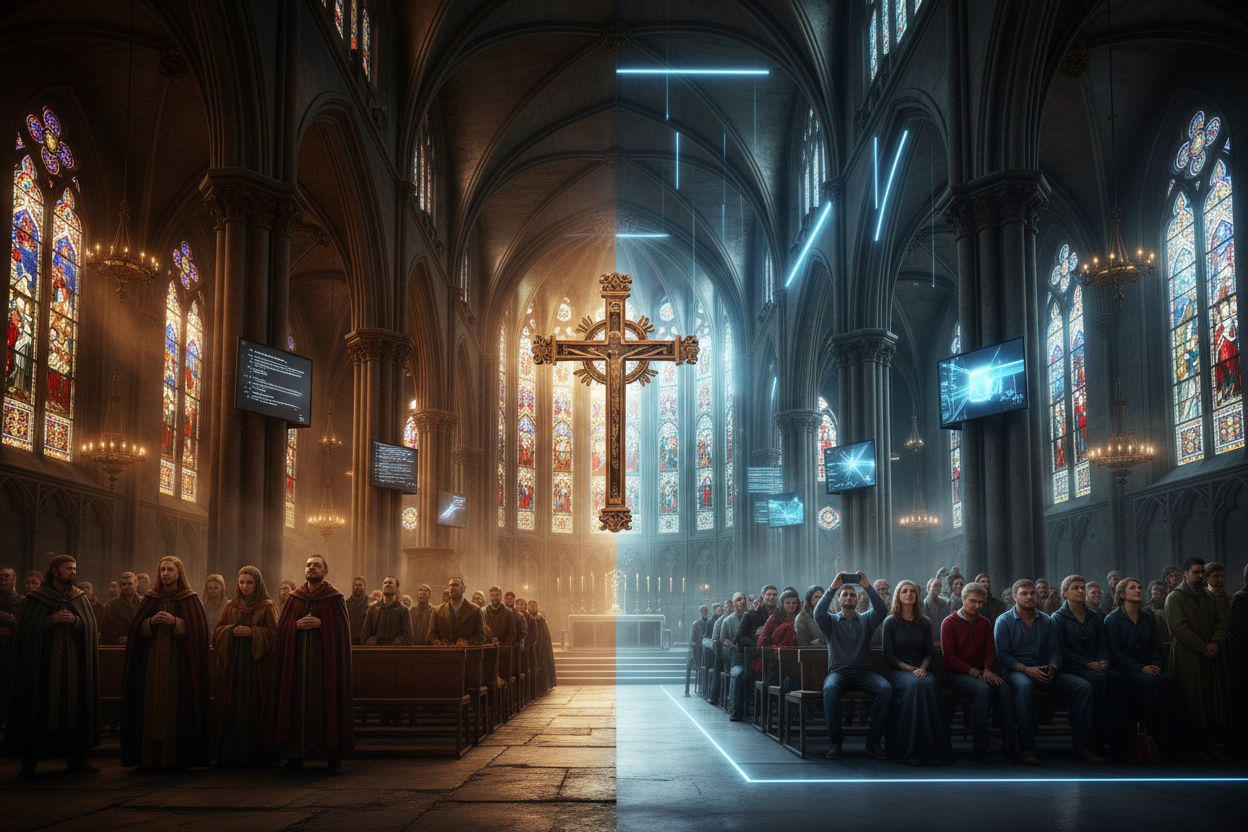
Perhaps nowhere is the tension between tradition and modernity more visible than in contemporary worship services. Many churches today blend classical elements with modern expressions, creating worship experiences that honor the past while engaging present-day believers. This might include incorporating electric guitars alongside pipe organs, or projecting lyrics on screens while still providing hymnals for those who prefer them.
The rise of contemporary Christian music has revolutionized how many believers express their faith. Songs by artists like Hillsong, Bethel Music, and Elevation Worship have become anthems for millions of Christians worldwide, often addressing modern struggles with ancient promises. These songs frequently tackle issues like anxiety, purpose, and identity – concerns that resonate deeply with today’s believers, especially younger generations.
However, this modernization hasn’t come without debate. Some argue that contemporary worship lacks the theological depth of traditional hymns, while others contend that modern expressions make faith more accessible and emotionally engaging. The healthiest approach often involves what many churches call “blended worship” – intentionally incorporating both traditional and contemporary elements to serve diverse congregational preferences and age groups.
Technology in the Church: Digital Ministry and Virtual Communities
The digital revolution has transformed how churches operate and connect with their communities. Online streaming services, which became essential during COVID-19 lockdowns, have now become permanent fixtures in many churches, allowing people to participate who might otherwise be unable to attend due to illness, distance, or other circumstances.
Church management software helps pastors track attendance, manage small groups, and coordinate volunteer schedules. Bible apps like YouVersion have made scripture more accessible than ever, with features like daily reading plans, audio versions, and social sharing capabilities. Some churches have embraced virtual reality for immersive biblical experiences, while others use social media platforms to build community and share daily encouragement.
Yet technology also presents challenges. The convenience of online worship can sometimes lead to decreased commitment to local church community. The constant connectivity of modern life can make it harder to find quiet spaces for prayer and reflection. Churches must thoughtfully integrate technology in ways that enhance rather than replace authentic spiritual community and personal spiritual disciplines.
Addressing Contemporary Social Issues Through Biblical Lens
Modern Christianity faces the ongoing challenge of addressing contemporary social issues while remaining faithful to biblical principles. Topics like environmental stewardship, social justice, mental health awareness, and economic inequality require churches to engage thoughtfully with current realities while drawing wisdom from ancient texts.
Many churches today are rediscovering biblical mandates for caring for creation, leading to green initiatives and environmental advocacy rooted in theological conviction. Others are addressing mental health with new openness, recognizing that spiritual wellness and psychological health often intersect in important ways. The traditional pastoral care model is expanding to include professional counseling services and support groups for various life challenges.
Social media has also created new platforms for Christian witness and discipleship. Believers share their faith through Instagram posts, YouTube channels, and TikTok videos, reaching audiences that traditional evangelism methods might never touch. However, this also requires developing new skills in digital discernment and online ethics.
Generational Differences and Bridge-Building
One of the most significant challenges facing modern churches is serving multiple generations with vastly different preferences, communication styles, and cultural references. Baby Boomers might prefer traditional hymns and formal worship services, while Generation Z gravitates toward interactive, multimedia experiences and values authenticity over polished presentation.
Successful churches are learning to create spaces where different generations can learn from each other. This might involve pairing older mentors with younger believers, creating diverse worship teams that blend musical styles, or designing small group programs that intentionally mix age groups. The goal isn’t to make everyone the same, but to help each generation appreciate the unique contributions others bring to the faith community.
Intergenerational ministry also addresses the reality that young adults today face challenges previous generations never encountered – from social media pressures to gig economy uncertainties to climate anxiety. Churches that successfully engage younger members often do so by acknowledging these unique struggles while connecting them to timeless spiritual resources for resilience and hope.
The Role of Tradition in Modern Faith
While embracing modernity, many Christians are simultaneously rediscovering the value of ancient practices. Liturgical traditions, contemplative prayer, and historical Christian disciplines are experiencing renewed interest, even among younger believers who might seem more naturally drawn to contemporary expressions.
This isn’t contradictory – it reflects a deep human need for rootedness in an increasingly fragmented world. Ancient practices like lectio divina, the liturgical calendar, and traditional fasting periods offer structure and depth that can complement rather than compete with modern innovations. Many churches now offer both contemporary services and traditional liturgical worship, recognizing that different people connect with God through different forms of expression.
The key is helping people understand that tradition isn’t the enemy of relevance – it’s often the source of wisdom that makes modern ministry more effective. When churches teach the historical context behind traditional practices, younger generations often embrace them enthusiastically, finding in ancient rhythms a counterbalance to the frenetic pace of modern life.
Looking Forward: The Future of Faith
As Christianity continues evolving in the 21st century, the most successful communities will likely be those that master the art of principled adaptation. This means holding firmly to core biblical truths while remaining flexible in methods, maintaining theological integrity while embracing cultural relevance, and honoring the past while boldly engaging the future.
The COVID-19 pandemic accelerated many changes that were already underway, from hybrid worship models to increased emphasis on digital community building. Churches that emerged stronger from this period were typically those that had already been thinking creatively about how to balance tradition with innovation.
Future challenges will likely include navigating artificial intelligence in ministry, addressing increasing religious pluralism in many societies, and finding ways to maintain authentic community in an increasingly digital world. The churches that thrive will be those that approach these challenges with both biblical wisdom and creative courage.
Conclusion: Unity in Diversity
The beautiful tension between tradition and modernity in contemporary Christianity reflects the faith’s fundamental strength: its ability to remain both rooted and relevant. Rather than seeing this as a problem to be solved, perhaps it’s better understood as a creative opportunity to be embraced.
The most vibrant Christian communities today are those that have learned to hold space for both ancient hymns and contemporary worship songs, both formal liturgy and casual conversation, both time-tested wisdom and innovative approaches to ministry. They recognize that the goal isn’t uniformity but unity – bringing together diverse expressions of faith under the common banner of following Christ.
As we move forward, the challenge for individual believers and church communities alike is to remain anchored in the unchanging truths of the gospel while staying flexible enough to reach new generations with the timeless message of God’s love. This balance requires wisdom, humility, and a willingness to learn from both the past and the present.
In the end, today’s Christianity at its best demonstrates that tradition and innovation aren’t opposing forces but complementary aspects of a living faith that continues to transform lives across cultures and generations. The ancient message finds new expression, the timeless truths discover fresh applications, and the eternal story continues to unfold in the daily lives of modern believers seeking to follow Christ in an ever-changing world.