
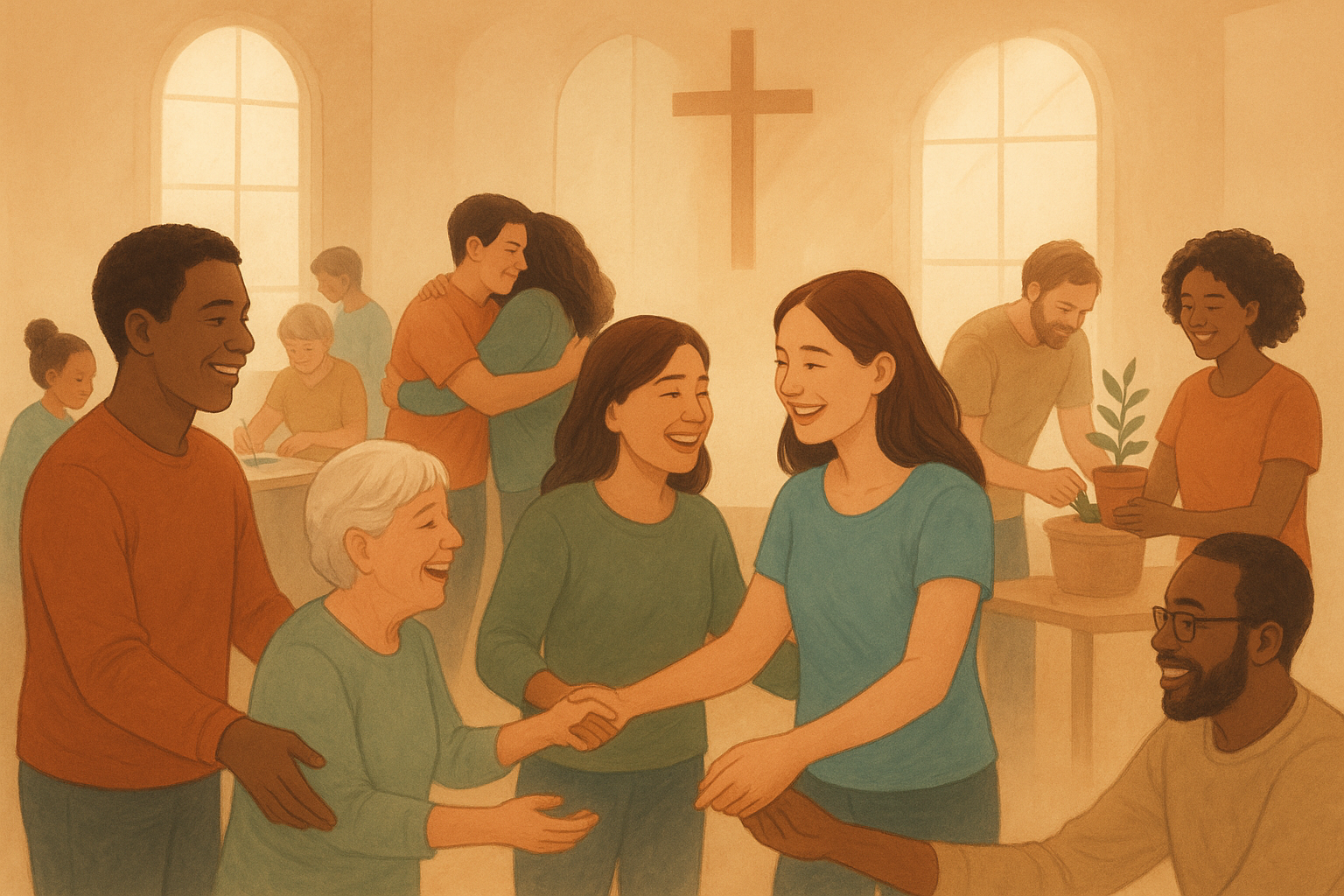
How Faith Churches Foster Community and Connection
In an increasingly digital world, where connections are often made through screens rather than face-to-face, the role of faith churches in fostering community and connection has never been more vital. With their doors open to everyone, churches provide a sanctuary where people can come together, share experiences, and build lasting relationships. This blog post explores how faith churches cultivate a sense of community and connection among their members and the wider society.
The Heart of the Community: A Place to Belong
At the core of every faith church is the desire to create a welcoming environment where individuals feel they belong. Churches achieve this by offering various programs and activities that cater to different age groups and interests. From Sunday services that bring people together in worship to small group gatherings that allow for more intimate connections, churches provide multiple avenues for individuals to engage and form bonds.

For many, church is not just a place of worship but a second home where they find acceptance and understanding. This sense of belonging is crucial in building a tight-knit community that supports and uplifts each other during life’s ups and downs.
Building Connections Through Shared Values and Beliefs
One of the most powerful ways faith churches foster community is through shared values and beliefs. These commonalities create a strong foundation for relationships, as members are united by a shared purpose and direction. Whether it’s through the teachings of the Bible, communal prayers, or shared missions, these experiences foster a deep connection among church members.

Furthermore, faith churches often emphasize the importance of love, compassion, and service to others, encouraging members to extend their connections beyond the church walls. By participating in outreach programs and community service, individuals not only strengthen their bonds with fellow church members but also connect with the wider community, promoting a spirit of inclusivity and solidarity.
Activities and Programs: Engaging the Community
Faith churches offer a diverse range of activities and programs designed to engage the community and foster connections. These might include youth groups, Bible study sessions, choir practices, and volunteer opportunities. Such activities provide members with the chance to interact with others who share similar interests and passions, further strengthening community ties.
Events such as church picnics, holiday celebrations, and retreats also play a significant role in bringing people together. These gatherings create opportunities for fellowship and fun, allowing members to form closer bonds outside the traditional church setting. By participating in these activities, individuals often discover new friendships and deepen existing ones, enhancing the overall sense of community.
The Role of Leadership: Guiding and Inspiring Connections
The leadership within faith churches plays a crucial role in fostering community and connection. Pastors, ministers, and church leaders serve as guides and mentors, providing spiritual direction and encouragement to their congregations. Their ability to inspire and motivate individuals to connect with one another and with God is instrumental in creating a cohesive and supportive community.
Effective church leaders actively work to create an inclusive environment where everyone feels valued and heard. By addressing the diverse needs of their members and encouraging open communication, they help cultivate a culture of empathy and understanding, which is essential for building strong, meaningful connections.
Facing Challenges Together: Strengthening Bonds
Life is filled with challenges, and faith churches often become a refuge for those seeking comfort and support. Whether it’s through prayer groups, counseling services, or simply being there to listen, churches provide a space where individuals can share their burdens and find solace in the company of others who care.
By facing challenges together, church members develop a deeper sense of trust and camaraderie. These shared experiences not only strengthen individual relationships but also reinforce the collective strength of the community, making it more resilient in the face of adversity.
The Ripple Effect: Impacting the Wider Society
The community and connections fostered within faith churches often extend beyond their immediate members, creating a ripple effect that impacts the wider society. Through various outreach initiatives and partnerships with local organizations, churches play a pivotal role in addressing social issues and promoting positive change within their neighborhoods.
By actively engaging with the broader community, faith churches demonstrate the power of unity and collective action. They serve as a reminder that when people come together with a common purpose, they can make a significant difference in the world around them.
Conclusion: A Sanctuary of Connection and Belonging
In conclusion, faith churches are invaluable in fostering community and connection. Through shared values, engaging activities, and compassionate leadership, they create a sanctuary where individuals can find belonging, support, and friendship. As they continue to navigate the challenges of the modern world, faith churches remain a beacon of hope and unity, reminding us all of the importance of coming together and supporting one another.
Whether you are a lifelong member or someone seeking a place to belong, faith churches offer a welcoming community where connections are made, lives are enriched, and hearts are joined in love and service to others.
Join the Community
Want more than the headlines? Join me on Substack for honest takes, deeper conversations, and independent content without the noise.