

Christian Religion: Understanding the Basics
Christianity is one of the world’s largest and most widespread religions, with billions of adherents across the globe. Whether you’re a curious seeker, a student of world religions, or someone exploring faith, understanding the basics of Christianity can provide valuable insights into its beliefs and practices. This blog post aims to offer an overview of the Christian religion, highlighting its core tenets and traditions in a way that is both informative and engaging.
The Origins of Christianity
Christianity originated in the first century AD in the Roman province of Judea. It is based on the life and teachings of Jesus of Nazareth, a Jewish preacher who Christians believe is the Son of God and the Messiah prophesied in the Old Testament. The New Testament of the Christian Bible documents Jesus’s life, including his birth, teachings, crucifixion, and resurrection.
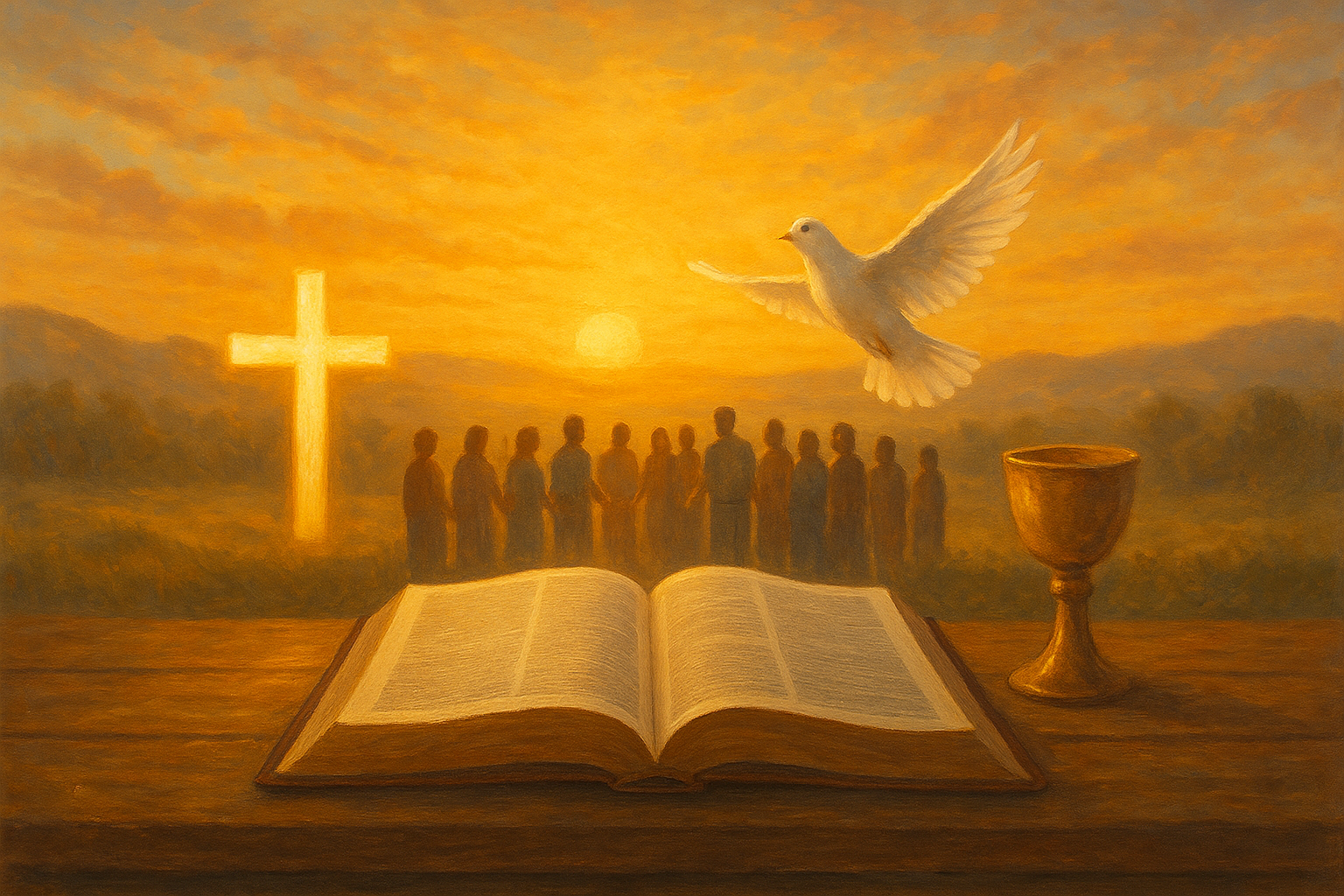
The early followers of Jesus, later known as Christians, spread his message throughout the Roman Empire and beyond. Despite facing persecution, Christianity grew rapidly, eventually becoming the dominant religion in Europe and spreading to other continents.
Core Beliefs of Christianity
At the heart of Christianity is the belief in one God who exists in three persons: the Father, the Son (Jesus Christ), and the Holy Spirit. This concept, known as the Trinity, is central to Christian doctrine.
Christians believe that Jesus Christ, through his death and resurrection, offers salvation to humanity. This salvation is viewed as a gift of grace, obtainable through faith in Jesus. The concept of salvation is tied to the belief in eternal life, where believers hope to be united with God after death.
The Bible: Sacred Scripture
The Bible is the sacred scripture of Christianity, comprising the Old Testament and the New Testament. The Old Testament contains writings sacred to both Judaism and Christianity, detailing the history, laws, and prophecies of ancient Israel. The New Testament focuses on the life and teachings of Jesus and the early Christian church.
Christians regard the Bible as divinely inspired and use it as a guide for faith and practice. Different Christian denominations may interpret and emphasize certain parts of the Bible differently, but all hold it as a central component of their faith.
Christian Practices and Traditions
Christian worship typically involves gatherings for prayer, hymns, and sermons. Churches, varying in size and architectural style, serve as places of worship and community gathering. The sacraments, especially baptism and communion, are significant religious rites observed by most Christians.
Baptism is a rite of initiation, symbolizing purification and admission into the Christian community. Communion, also known as the Eucharist, commemorates Jesus’s Last Supper, where bread and wine are consumed as symbols of his body and blood.
Diversity Within Christianity
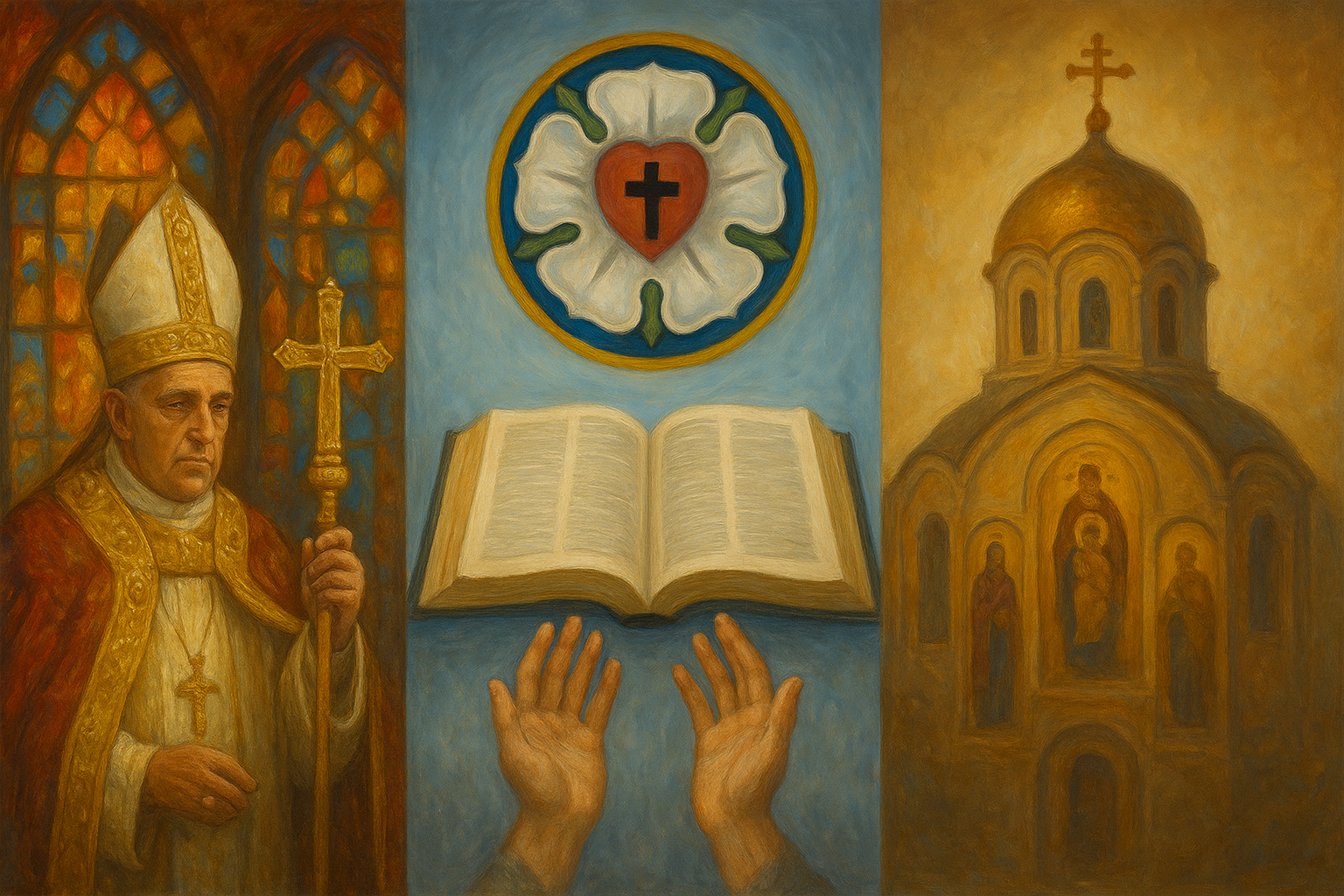
Christianity is not a monolithic religion; it encompasses a wide range of denominations and traditions. The three largest branches are Roman Catholicism, Protestantism, and Eastern Orthodoxy. Each branch has unique theological perspectives, liturgical practices, and church governance.
Roman Catholicism, led by the Pope, is known for its rich traditions, including the veneration of saints and the seven sacraments. Protestantism, a movement that began in the 16th century, emphasizes the authority of the Bible and includes numerous denominations such as Lutherans, Baptists, and Methodists. Eastern Orthodoxy, with its roots in the Eastern Roman Empire, is distinguished by its emphasis on liturgy and mysticism.
Christianity’s Global Impact
Christianity has significantly influenced art, culture, law, and philosophy throughout history. Its moral teachings have shaped ethical frameworks and inspired social movements worldwide. From the establishment of hospitals and schools to humanitarian efforts, Christian organizations continue to play a role in global development and aid.
Moreover, Christianity’s festivals, such as Christmas and Easter, have become integral parts of cultural traditions in many societies, celebrated by both religious and secular communities.
Conclusion
Understanding Christianity involves exploring its historical roots, core beliefs, sacred texts, and diverse practices. While it is a religion with deep theological complexities, its message of love, redemption, and hope resonates with millions around the world. Whether you’re delving into its teachings for personal exploration or academic study, Christianity offers a rich tapestry of spiritual and cultural significance that continues to shape our world today.
By grasping the basics of Christianity, you take the first step in appreciating its profound impact on individuals and societies throughout history. As you continue to learn and explore, may you find the insights and inspiration you seek on your journey.
Join the Community
Want more than the headlines? Join me on Substack for honest takes, deeper conversations, and independent content without the noise.