
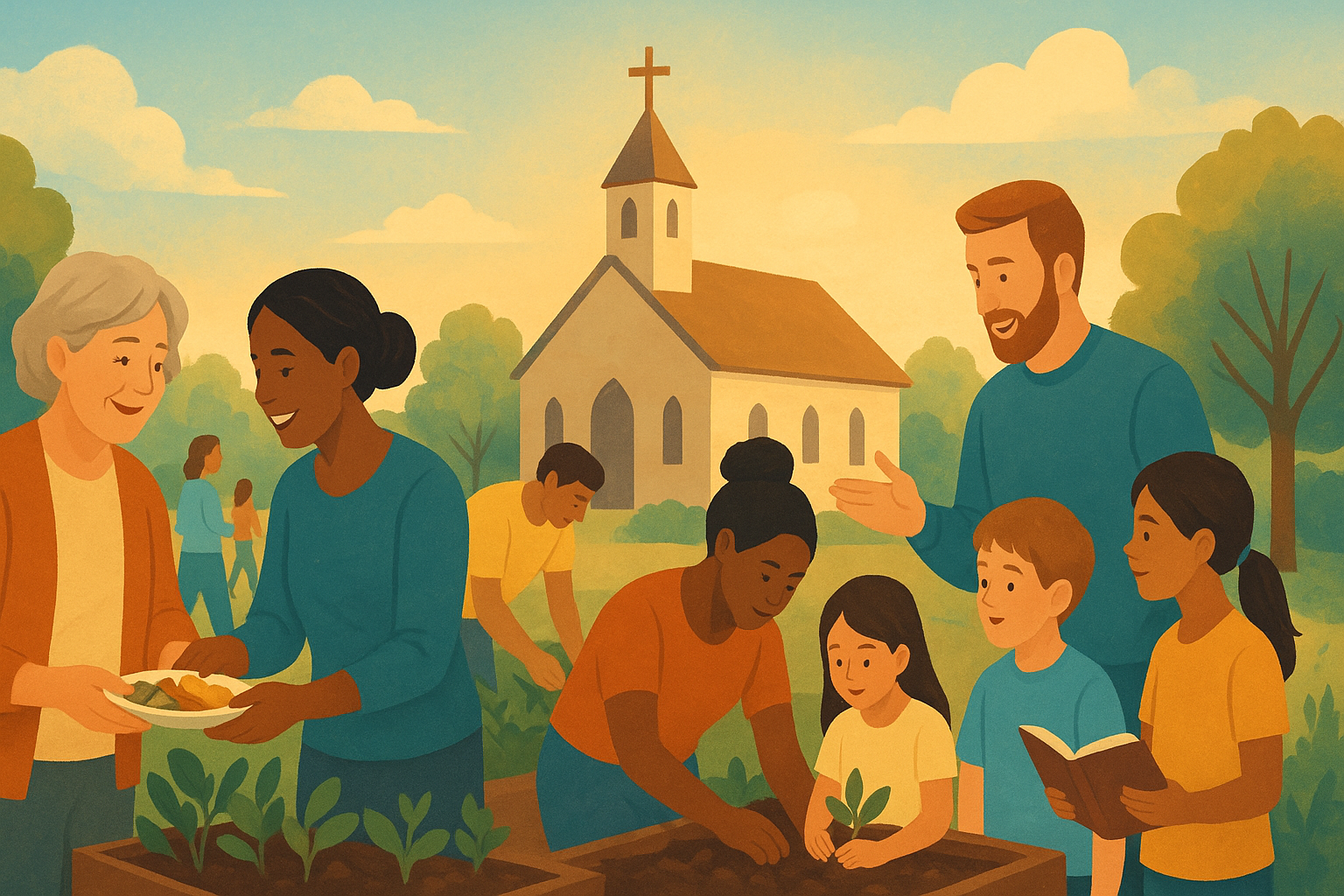
The Role of Faith Churches in Community Support
In today’s fast-paced and often fragmented world, the need for community support has never been greater. Faith churches, with their rich histories and deep-rooted traditions, have always played a pivotal role in offering solace, support, and guidance to individuals and communities. But what exactly is the role of faith churches in community support today, and how are they adapting to meet the needs of modern society? Let’s explore this vital topic.
Understanding the Foundation: Faith Churches as Pillars of Community
Faith churches have long been seen as cornerstones in communities across the globe. Historically, they have provided more than just a place for worship; they have been centers for education, social gathering, and mutual support. In many ways, they function as the heart of the community, offering a safe haven where people can come together to share joys and sorrows alike.

The essence of a faith church is rooted in its capacity to bring people together under a shared belief system. This shared faith creates a strong bond among members, fostering a sense of belonging and community that is often missing in other areas of life. These bonds are crucial in creating a supportive network that members can rely on in times of need.
Providing Essential Services and Support
One of the most significant roles faith churches play is providing essential services to their communities. From food banks and clothing drives to counseling services and educational programs, churches often fill the gaps where other social services may fall short. Many churches have established outreach programs that directly address the needs of their communities, offering everything from financial assistance to job training workshops.

Furthermore, faith churches serve as a moral and ethical compass for many. Through sermons, bible studies, and religious education classes, they provide guidance that helps individuals navigate the complexities of life. This guidance is often rooted in the core tenets of the faith, emphasizing values such as compassion, integrity, and forgiveness.
Adapting to Modern Needs
As society evolves, so too must the role of faith churches. In recent years, many churches have embraced technology to reach a broader audience and provide more flexible forms of support. Online services, virtual prayer groups, and digital counseling sessions have become increasingly common, allowing churches to maintain their community presence even in times when physical gatherings are not possible.
Moreover, churches are recognizing the importance of addressing contemporary social issues. Topics such as mental health, racial justice, and environmental stewardship are being integrated into church teachings and community initiatives. By addressing these issues, churches are not only staying relevant but are also demonstrating their commitment to the well-being of their communities.
Cultivating a Sense of Belonging
One of the most profound impacts of faith churches is their ability to cultivate a sense of belonging among individuals. In a world where loneliness and isolation are becoming increasingly common, churches offer a welcoming environment where people can connect on a deeper level. Regular gatherings, whether for worship, study, or community service, provide opportunities for individuals to forge meaningful relationships and feel part of something larger than themselves.
This sense of belonging is crucial for mental and emotional well-being. It instills a sense of purpose and can be a source of strength and resilience in difficult times. By fostering these connections, faith churches play an integral role in building strong, resilient communities.
The Power of Volunteerism and Community Involvement
Volunteerism is at the heart of many church activities, empowering members to take an active role in community support. Churches often organize volunteer opportunities that range from local community service projects to international mission trips. These initiatives not only provide much-needed assistance to those in need but also enrich the lives of the volunteers themselves.
Through volunteer work, individuals can develop new skills, gain a broader perspective on the world, and experience the joy of helping others. This spirit of giving back is a powerful force that strengthens community bonds and helps create a more compassionate and caring society.
Conclusion: A Lasting Impact
Faith churches continue to be a vital force in providing community support, adapting to meet the needs of a changing world while staying true to their core mission. From offering essential services and moral guidance to fostering a sense of belonging and encouraging volunteerism, their impact is both profound and far-reaching.
As we look to the future, it is clear that faith churches will remain a cornerstone of community life, providing a source of hope, support, and connection for generations to come. In a world that is often divided, they stand as a testament to the strength and resilience that can be found in faith and community.
Join the Community
Want more than the headlines? Join me on Substack for honest takes, deeper conversations, and independent content without the noise.