
The Role of Baptist Churches in Modern Christian Community Building
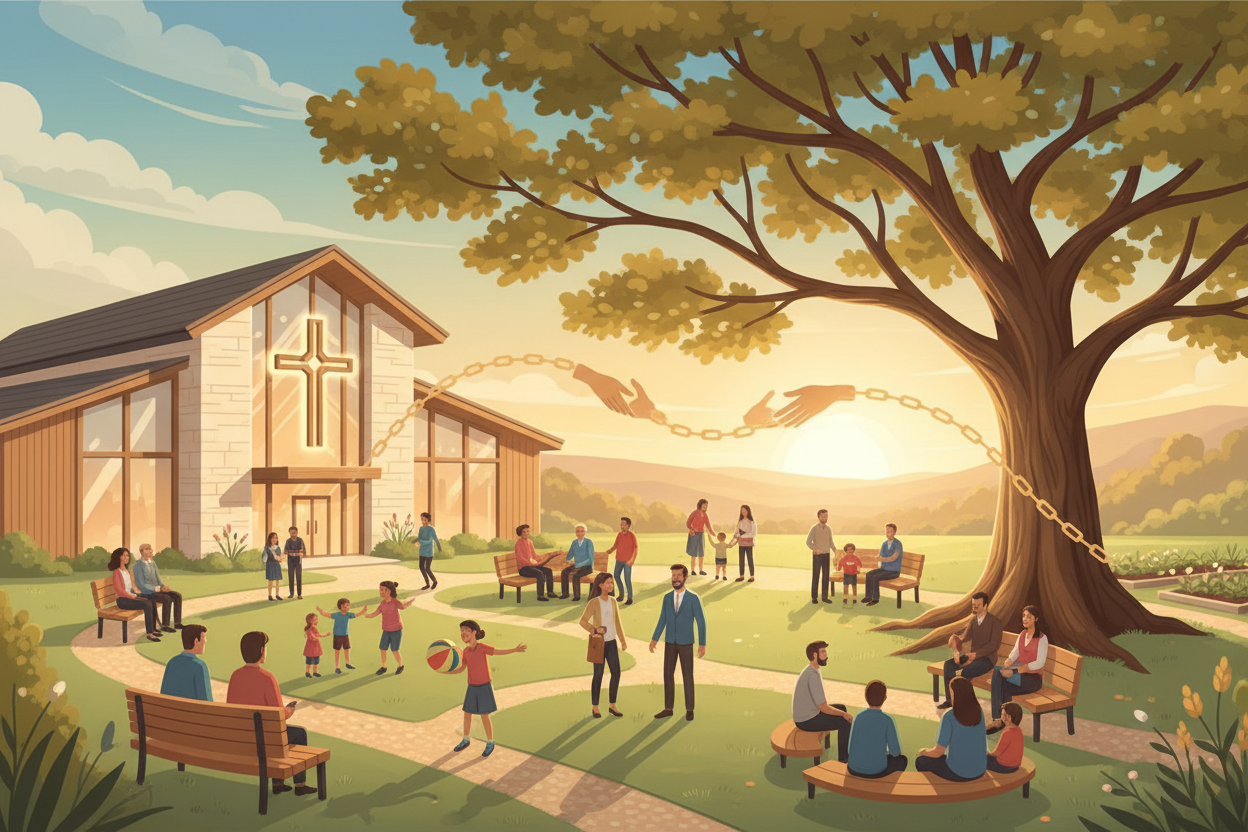
In an increasingly fragmented world where digital connections often replace face-to-face relationships, Baptist churches continue to serve as vital anchors for Christian community building. These congregations, rooted in centuries-old traditions yet adapting to contemporary needs, play a unique and essential role in fostering meaningful connections among believers and reaching out to their broader communities.
The Baptist tradition, with its emphasis on individual faith, congregational autonomy, and community engagement, offers a distinctive approach to building Christian communities that resonates with modern believers seeking authentic relationships and purposeful living. From small rural congregations to large urban churches, Baptist communities are reimagining what it means to be the church in the 21st century.
Historical Foundation of Baptist Community Building
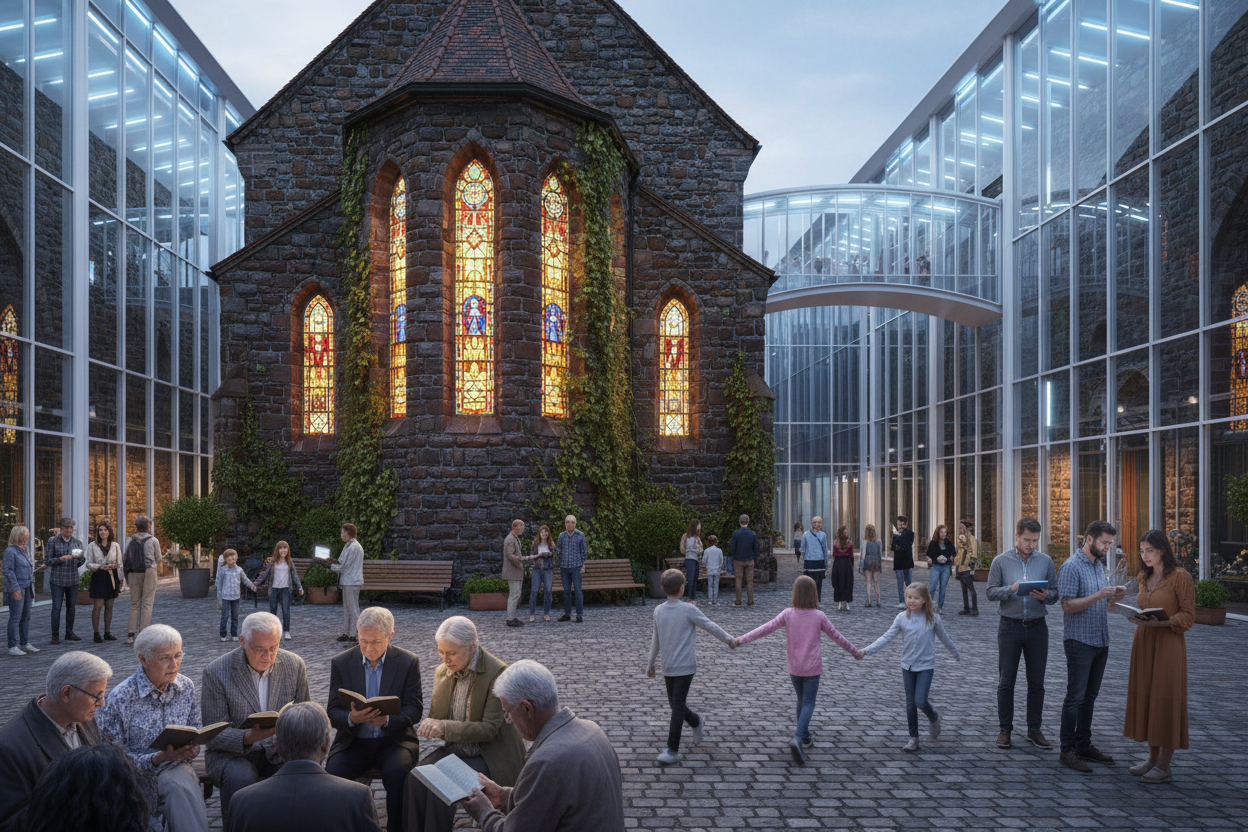
Baptist churches have always prioritized community building as a core aspect of their ministry. Dating back to the early 17th century, Baptist congregations emerged with a strong emphasis on believer’s baptism, congregational governance, and the priesthood of all believers. These foundational principles naturally fostered environments where every member had a voice and a role in the community.
The historical Baptist commitment to religious liberty and individual conscience created spaces where diverse voices could come together in worship and service. This tradition of inclusivity within doctrinal boundaries has enabled Baptist churches to adapt their community-building approaches while maintaining their theological distinctives.
Throughout American history, Baptist churches have served as community centers, educational institutions, and social justice advocates. From the Underground Railroad to the Civil Rights Movement, these congregations have demonstrated that Christian community building extends far beyond church walls to address societal needs and promote human dignity.

Core Principles Shaping Baptist Community Engagement
Several key principles guide how Baptist churches approach community building in the modern era. The concept of congregational autonomy allows each church to develop community programs that reflect their specific context and calling. This flexibility enables Baptist congregations to respond quickly to local needs and opportunities.
The Baptist emphasis on believer’s baptism creates communities of individuals who have made personal decisions to follow Christ. This shared experience of conscious choice fosters deeper connections among members who understand the significance of their collective commitment.
The priesthood of all believers principle empowers every church member to participate in ministry and community building. Rather than relying solely on pastoral leadership, Baptist churches cultivate environments where laypeople take active roles in creating and maintaining community connections.
Biblical authority serves as the foundation for all community-building efforts, ensuring that programs and initiatives align with scriptural principles of love, service, and discipleship. This commitment to biblical guidance provides stability and direction for long-term community development.
Modern Challenges Facing Christian Communities
Today’s Baptist churches navigate numerous challenges that impact their community-building efforts. Declining church attendance across many denominations requires innovative approaches to engagement and connection. Younger generations, in particular, often seek authentic community experiences that go beyond traditional worship services.
Digital technology presents both opportunities and obstacles for community building. While online platforms enable broader reach and connection, they can also create superficial relationships that lack the depth of in-person fellowship. Baptist churches must balance digital engagement with meaningful face-to-face interactions.
Cultural polarization affects how churches engage with their broader communities. Baptist congregations must navigate political and social divisions while maintaining their witness and welcoming spirit. This requires wisdom in addressing controversial issues while keeping the gospel message central.
Economic pressures impact both church resources and community needs. Many Baptist churches serve communities facing financial hardship, requiring creative approaches to ministry that maximize impact while operating within budget constraints.
Innovative Approaches to Community Building
Baptist churches across the country are developing creative strategies to build stronger Christian communities. Multi-generational programming brings together different age groups for shared learning and service experiences. These initiatives help bridge generational gaps while leveraging the unique strengths each age group brings to the community.
Small group ministries have become increasingly important for fostering intimate connections within larger congregations. Baptist churches are organizing life groups, Bible studies, and support groups that meet in homes and community spaces, creating opportunities for deeper relationships and mutual care.
Service-oriented community building focuses on addressing local needs while strengthening bonds among participants. Food pantries, community gardens, tutoring programs, and disaster relief efforts provide practical ways for church members to work together while serving their neighbors.
Collaborative partnerships with other churches and community organizations expand the reach and impact of Baptist community-building efforts. These relationships demonstrate Christian unity while addressing complex social issues that require coordinated responses.
Digital Integration and Virtual Community
The COVID-19 pandemic accelerated Baptist churches’ adoption of digital technologies for community building. Online worship services, virtual small groups, and digital discipleship programs have become permanent fixtures in many congregations’ ministry portfolios.
Social media platforms enable Baptist churches to maintain ongoing communication with members and reach potential visitors. Facebook groups, Instagram stories, and YouTube channels create virtual spaces for sharing prayer requests, celebrating milestones, and encouraging spiritual growth.
Hybrid approaches combining in-person and digital elements accommodate diverse preferences and circumstances. Some members may participate primarily online due to health concerns, geographic distance, or scheduling constraints, while others prefer traditional in-person engagement.
Digital discipleship tools, including online Bible studies, podcast series, and mobile apps, support community building by providing resources for spiritual growth that members can access throughout the week. These tools complement rather than replace face-to-face relationships.
Intergenerational Ministry and Community Building
Baptist churches recognize the importance of creating communities where multiple generations can connect and learn from one another. Traditional age-segregated programming is being supplemented with intergenerational activities that build relationships across age groups.
Mentorship programs pair older, more experienced believers with younger church members, creating opportunities for wisdom sharing and mutual encouragement. These relationships often extend beyond formal programs to become lasting friendships that strengthen the entire community.
Family-friendly worship services and events acknowledge that community building must accommodate families with children while remaining engaging for adults. Baptist churches are designing spaces and programs that welcome all ages without compromising the depth of spiritual content.
Legacy projects that connect generations through storytelling, oral history collection, and skill sharing help preserve church history while building bridges between past and present. These initiatives create shared identity and purpose within the community.
Outreach and External Community Engagement
Baptist churches understand that Christian community building extends beyond their membership to encompass their broader neighborhoods and cities. Community service projects provide opportunities for church members to work together while addressing local needs and building relationships with non-members.
Evangelistic efforts focus on relationship building rather than confrontational approaches. Baptist churches are developing authentic friendships with community members, creating natural opportunities for sharing the gospel message within the context of genuine care and concern.
Cultural engagement initiatives help Baptist churches connect with diverse populations in their communities. These efforts may include multicultural worship services, language classes, or cultural celebration events that demonstrate God’s love for all people.
Social justice advocacy reflects the Baptist tradition of addressing systemic issues that affect community well-being. Many congregations are engaging in immigration support, racial reconciliation efforts, and poverty alleviation programs that demonstrate Christian love in action.
Measuring Success in Community Building
Baptist churches are developing new metrics for evaluating the effectiveness of their community-building efforts. Traditional measures like attendance and membership are being supplemented with assessments of relationship depth, community impact, and spiritual growth.
Relationship mapping helps churches understand the connections within their communities and identify areas where stronger bonds could be developed. This approach recognizes that healthy churches are characterized by multiple interconnected relationships rather than simply individual connections to pastoral leadership.
Community feedback mechanisms enable churches to understand how their efforts are perceived and received by both members and neighbors. Regular surveys, focus groups, and informal conversations provide valuable insights for program improvement.
Long-term impact assessment considers how community-building efforts contribute to lasting change in individuals’ lives and broader community transformation. This perspective helps churches maintain focus on their ultimate mission while adapting their methods as needed.
Future Directions for Baptist Community Building
Looking ahead, Baptist churches will continue to evolve their approaches to community building while maintaining their core theological commitments. Emerging technologies will create new opportunities for connection and engagement, requiring ongoing adaptation and learning.
Demographic changes in many communities will necessitate culturally responsive approaches to ministry and community building. Baptist churches will need to develop competencies in cross-cultural communication and relationship building to effectively serve diverse populations.
Environmental stewardship is becoming an increasingly important aspect of community building as churches recognize their responsibility to care for God’s creation. Community gardens, conservation efforts, and creation care education programs will likely become more common.
Mental health awareness and support will play larger roles in Baptist community building as churches recognize the importance of addressing emotional and psychological needs alongside spiritual concerns. Training programs for lay counselors and support group leaders will become increasingly valuable.
Baptist churches have always been at the forefront of Christian community building, and their future success will depend on their ability to maintain this tradition while adapting to contemporary realities. By staying true to their biblical foundations while embracing innovative approaches, these congregations will continue to serve as vital centers for authentic Christian community in an increasingly complex world. The key lies in balancing timeless principles with timely methods, ensuring that the gospel message remains central while the delivery mechanisms evolve to meet changing needs and opportunities.